Chen Keshi Jinsha forum speech: build Jinjiang River into the Seine River of Chengdu
Loading...
 2012-09-09
Chen Keshi: "pastoral city" should include "pastoral thought"
Garden city is translated from English Garden City, which is the urban construction concept put forward by Howard, a British urban planner, but the original meaning of garden is actually garden. "Japan and Singapore, which follow the planning concept, use the translation of garden. However, since ancient times, China has pursued fishing and woodcutting cultivation and reading, imitating nature and Tao Yuanming's Pastoral feelings. Therefore, when we come to China, we have become an idyllic city."
"We came out of the countryside and will eventually return to the countryside." Chen Keshi believes that the concept of "garden city" should be the core idea of Chengdu Planning for a long time. It is not only that the urban construction should be "green garden", but also to emulate the leisure and happiness of "old ancestor" Tao Yuanming from the ideological root. With that, Chen Keshi showed his photos of American towns: lush vegetation surrounded the river, and there was a boat on the river. He smiled and said, "such a scene should best suit the life interests of Chengdu people."
The cornerstone of a city's success is economy, environment and humanities. However, "most planners see the economy, and a few can see the environment. They don't know that humanities is at the top of this pyramid." Chen Keshi believes that from now on, Chengdu's urban planning should turn to humanities and think about how to build the so-called pastoral city with the depth of pastoral thought. "I suggest that every family plant trees on the roof and flowers on the balcony. What we want is not a European Street, but to carry forward our own cultural heritage."
Learn from world famous cities and build Jinjiang River into Seine River
"Washington's urban planning has been in use for 200 years, and our planning is often abandoned in less than 15 years." If time passes, we may not make such moves as tearing down the old city wall in Beijing and filling in the moat in Chengdu. After repeated regrets, "planners and builders should be responsible for the final value of the city. The only criteria for judging the value of the city are time and universal values."
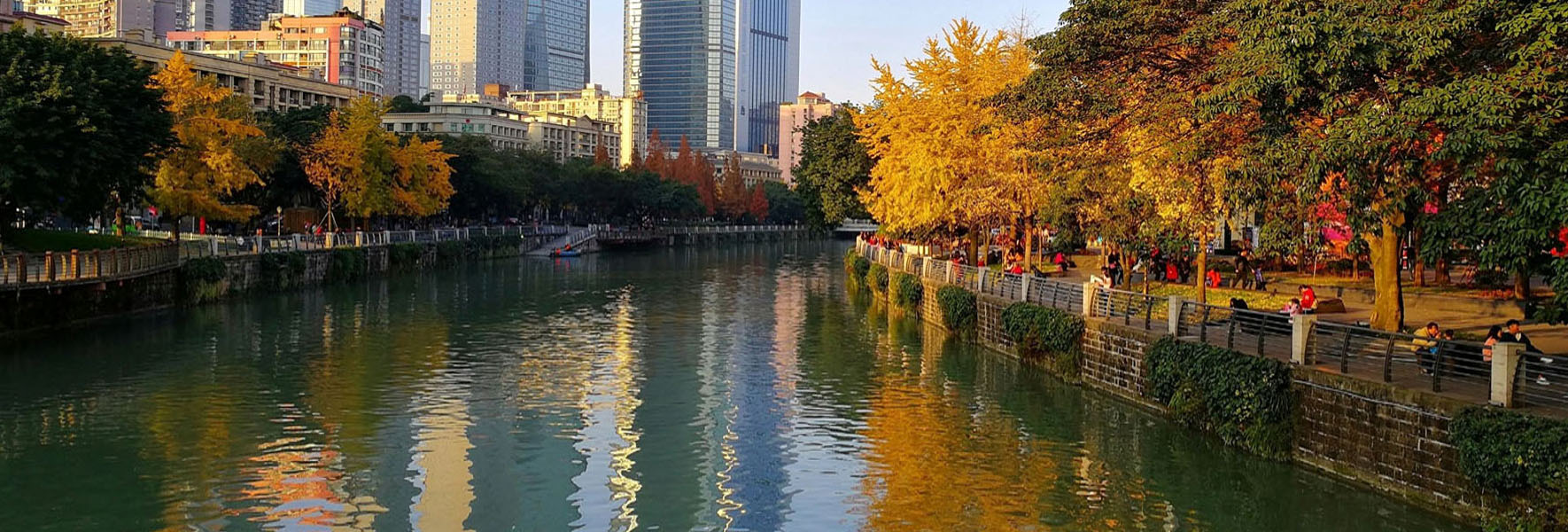
Chen Keshi, who has traveled around the world, compared Chengdu with Paris, London and New York, which can be called "classic examples" all over the world. He hoped that Chengdu could learn the planning concepts of these cities on the basis of maintaining its own traditional humanities. "From the perspective of our municipal construction, Jinjiang is just a river. But from the perspective of Paris, Jinjiang can become another Seine River and the living room of the city." Chen Keshi suggested that both sides of the Jinjiang River should be changed into pedestrian areas, and the bridges on the river should be designed as works of art. But he also said: "it took nearly 200 years for the Seine River to be built around the same plan."
In addition, Chen Keshi also put forward some other suggestions, such as the originality and regional characteristics of urban architecture, and more branch lines and paths should be opened for traffic congestion relief. According to Chen Keshi, he also participated in the planning and design of Tianfu new area. "My suggestion to them is that Tianfu new area is composed of green groups, and pastoral areas are used as isolation zones between groups." At the same time, he also learned from the planning idea of Manhattan in New York, "I hope to take out a large piece of land as a park in the most prosperous core commercial area in Tianfu new area, just like the Central Park in New York."
Recommended news
Chen Keshi | Research on Traditional Khampa Tibetan Architecture
Led by Professor Chen Keshi, the China Urban Planning & Design Institute (Zhongying Urban) team has delved into plateau regions for years. Rooted in field investigations across Sichuan and Xizang, the team has established a comprehensive technical system for the conservation and practical construction of Tibetan architecture. It provides cultural foundations and professional support for ethnic village style control and cultural tourism development in Tibetan areas, accumulating representative practical experience in the research, revitalization and adaptive reuse of traditional Tibetan architecture nationwide.
2026-07-20
Chen Keshi: Sixteen Years of Shuimo, Wenchuan
2026-07-14
上一篇:Chen Keshi visited Shenzhen Citizen Culture Lecture Hall and shared the story of the city


