
This project is based on the unique location of Quxu County, Lhasa, Tibet – described as the "heart of the golden triangle of Lhasa-Shannan-Shigatse and the back garden of Lhasa." Leveraging the natural foundation of river convergence and fertile valley lands, along with the rich historical and cultural resources of Tibet, and with a focus on inheriting traditional Tibetan styles and integrating mountains, water, and urban form, the plan aims to create a model plateau city with distinctive high-altitude characteristics.
The master plan establishes an overall spatial pattern consisting of "one river with two banks, six clusters, three villages, and five parks." This connects functional zones such as traditional villages, riverside commerce, wellness and retirement resorts, and modern residential areas, forming an urban space where natural landscapes and mixed-use functions coexist. Key features include the development of three stylistic axes, three traditional village folk streets, five city parks, a county-wide slow-traffic system, and an ecological water network. These elements organically integrate waterfront landscapes, green spaces, and urban functions to shape a comfortable and pleasant plateau urban public realm.
Architectural styles strictly follow the traditional characteristics of the Ü-Tsang region. Key identifying features include flat roofs in earth yellow tones, rough white walls, double-layered maroon eaves, and black window and door frames. Local materials such as rammed earth, stone, and raw timber are used. Building setbacks, story heights, and window-to-wall ratios are carefully controlled to restore the solid, rustic character of traditional Tibetan architecture. A negative list for architectural style is also clearly defined, regulating storefront signage, exterior wall materials, and facade decorations, strictly controlling visual pollution, and preserving intangible cultural heritage and regional architectural textures. This ensures a high degree of unity between modern functionality and traditional aesthetics.
We look forward to transforming Quxu from an agricultural county into a comprehensively developed urban district focusing on urban leisure, cultural tourism, wellness and retirement, and commercial logistics, highlighting its regional cultural and ecological livability, and creating a high-quality model city at the southwestern gateway of Lhasa.

Project introduction
Xizang Lhasa
Project location
2026年
Completion time
chen keshi
Chief Designer
 Return to list


OTHER WORKS

Lhasa Quxu County Urban Design and Overall Environmental Landscape Enhancement Plan
Xizang Lhasa

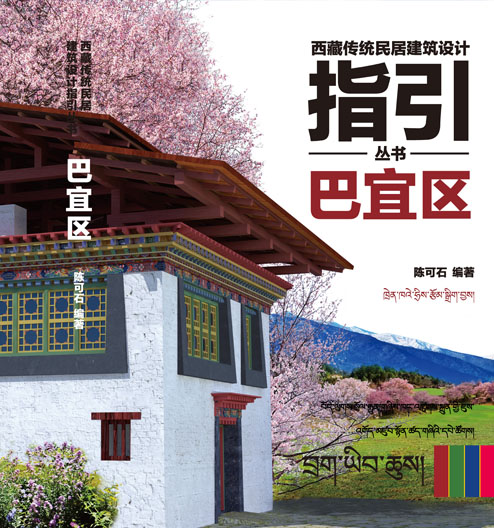
Design Guidelines for Traditional Residential Buildings in Bayi District, Linzhi City
Xizang LInzhi
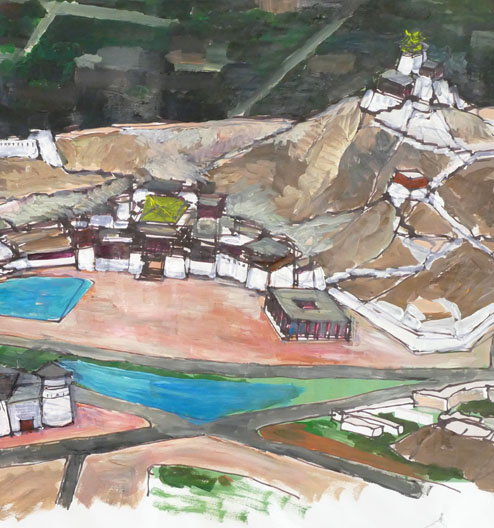
The overall improvement of the urban style and landscape of the 5.8 square kilometers historic city around Lhasa Potala Palace
tibet lhasa